
Login
Registration
Profile Informations
Login Datas
or login
Chornobyl Zone
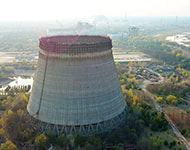
April 26, 1986 became a day of a terrible disaster at the Chornobyl Nuclear Power Plant when the reactor № 4 exploded and fired a scorching-hot fountain of radiation into the environment. Chornobyl radiation was spread by wind all over the world in several weeks. A large territory around the Chornobyl Nuclear Power Plant was depopulated, more than 120,000 people had to leave that area.
That event made the Zone a unique place of interest for tourists from all over the world. Nowadays, it’s a territory of approximately 2,600 km2; where still live around 110 self-settlers (or samosely) – people, who decided to stay in the Zone after the accident. Approximately 3,000 people work in the Zone on various tasks, such as the construction of the New Safe Confinement, the ongoing decommissioning of the reactors, and assessment and monitoring of the ecological conditions in the Zone. Employees of the plant live in Slavutych town – the new-built town outside of the Zone, the rest of the local workers live and work on shifts in the only inhabited place inside of the Chornobyl Exclusion Zone – the town of Chornobyl.
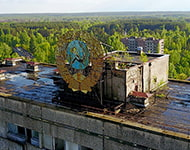
The Chornobyl Zone – as a site of the important historical event, as an ensemble of hundreds of unique technical and cultural monuments, as a natural phenomenon – rightfully deserves to be included into the UNESCO list of the world heritage sites and to be converted into the national cultural and natural park. This unique place attracts people from all around the world – scientists and ecologists, historians and photographers, urban explorers and gamers, students and those who want to understand one of the most significant events of the 20th century. It’s a story that needs to be told, a lesson that has to be learned. So the visit to the Chornobyl Exclusion Zone is a way to express gratitude to all people, who sacrificed their health and sometimes even life for this world to be a safer place.